News

From Neurobiology to a Collider: HSE Researchers Present their Discoveries at ZIL.Nauka Festival

From Neurobiology to a Collider: HSE Researchers Present their Discoveries at ZIL.Nauka Festival
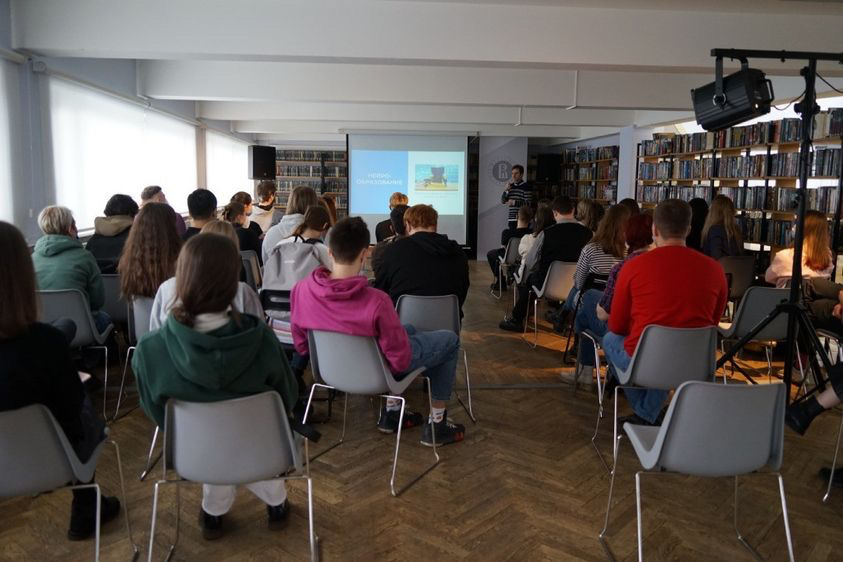
Which brain lobes should we stimulate to improve our short-term memory? What is ‘warm radiation’ and why it is so important that people help each other? Which manufacturing systems will artificial intelligence master the fastest? Scholars from HSE University offered their scientific opinions on all these and more at the ZIL.Nauka festival.

IDAO 2022 Challenges Participants to Work with Graph Neural Networks

IDAO 2022 Challenges Participants to Work with Graph Neural Networks
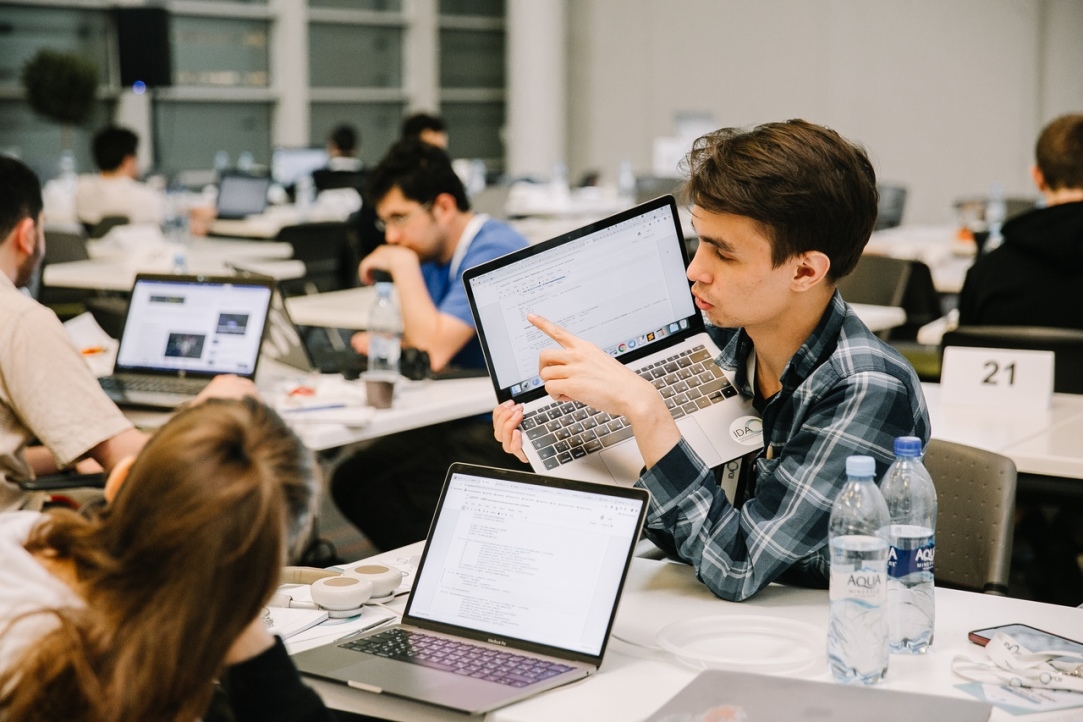
On February 1, the IDAO 2022 was launched. The HSE Faculty of Computer Sciences, Yandex and Otkritie Bank (platinum partner) are holding it for the fifth time. The first round of the olympiad will be held in an online format on Yandex.Contest - an online platform for organizing programming competitions.

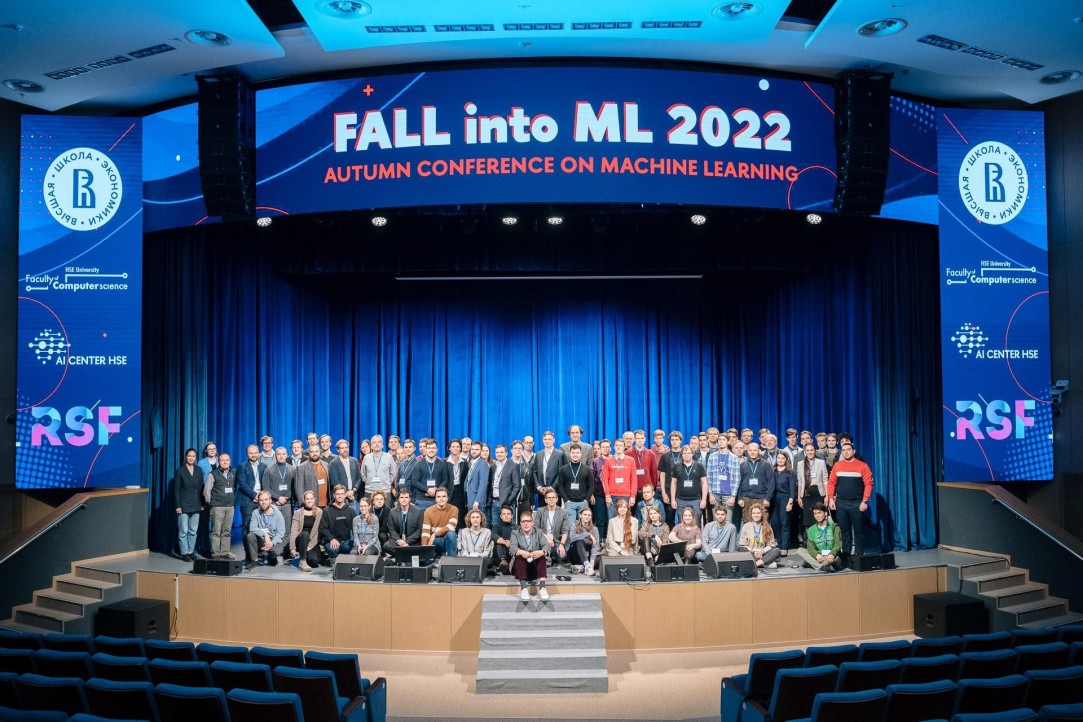
HSE University and Yandex organized the 3d Joint Autumn School on Generative Models

HSE University and Yandex organized the 3d Joint Autumn School on Generative Models
The Autumn School took place from November 23 to 26 in mixed format. The classes were hosted at Yandex School of Data Analysis. Those who were not able to attend on-campus joined online.

HSE University among Founders of Super C-Tau Factory

HSE University among Founders of Super C-Tau Factory
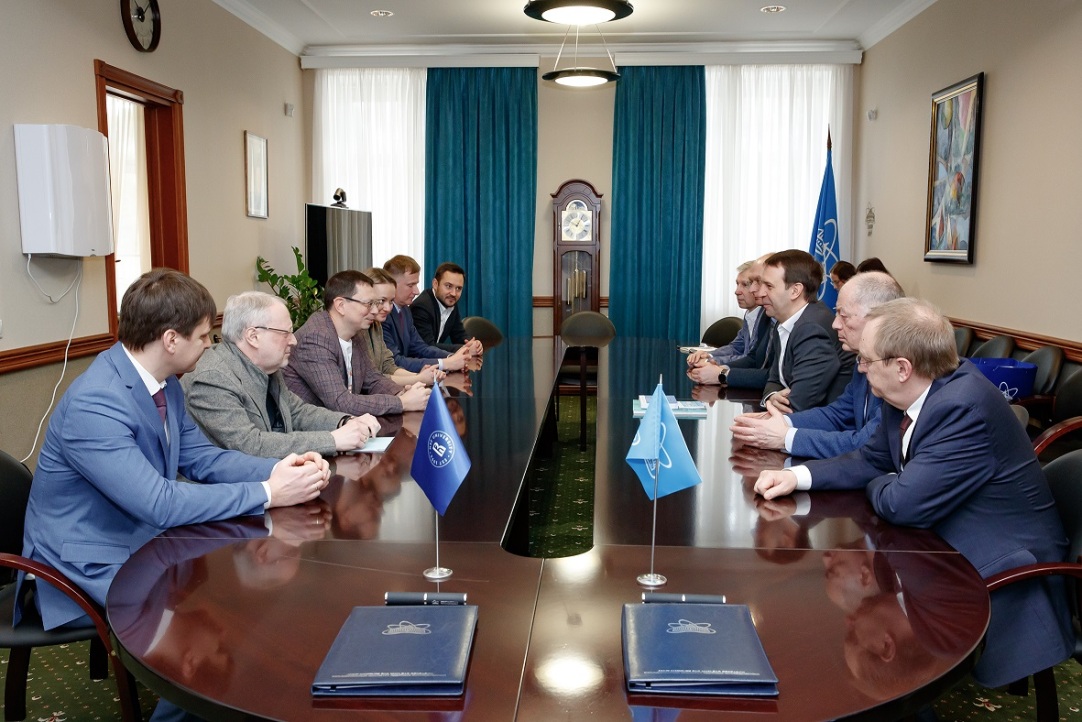
Ten universities and institutes have announced a partnership to construct an electron-positron collider in order to study the production and properties of charmed particles and tau leptons. The new experiment will be part of the Super C-Tau Factory project. It was founded by two international teams and eight from Russia, including HSE University.

HSE University Receives Government Grant to Create AI Research Centre

HSE University Receives Government Grant to Create AI Research Centre
A competition of research centres looking to receive grants through the Artificial Intelligence federal project has concluded, and HSE University is among the winners. Winning centres will focus on developing new AI technologies that expand its application, overcoming existing limitations for solving applied problems and optimizing AI models.

"My Model Will Be Used to Analyse Data from the ATLAS Detector Collected During the New Collider Launch in 2022"

"My Model Will Be Used to Analyse Data from the ATLAS Detector Collected During the New Collider Launch in 2022"
Tigran Ramazyan, a fourth-year student of the Data Science and Business Analytics double-degree programme, has talked about his studies at the Faculty and internship at CERN openlab.

Summer School on Machine Learning in High Energy Physics Took Place

Summer School on Machine Learning in High Energy Physics Took Place
On July 15-30, the Seventh International School on Machine Learning in High Energy Physics (MLHEP) organised by the Laboratory of Methods for Big Data Analysis (LAMBDA), Yandex School of Data Analysis and EPFL (Switzerland) took place.

Imperial Collegue London Machine Learning & Deep Learning online-course

Imperial Collegue London Machine Learning & Deep Learning online-course
Artem Maevskiy, LAMBDA researcher, participated in giving an Imperial Collegue London (ICL) Machine Learning & Deep Learning online-course.


‘We Facilitate High-Speed Car Crashes and Study How Car Engines Work Based on Photos of Flying Debris’

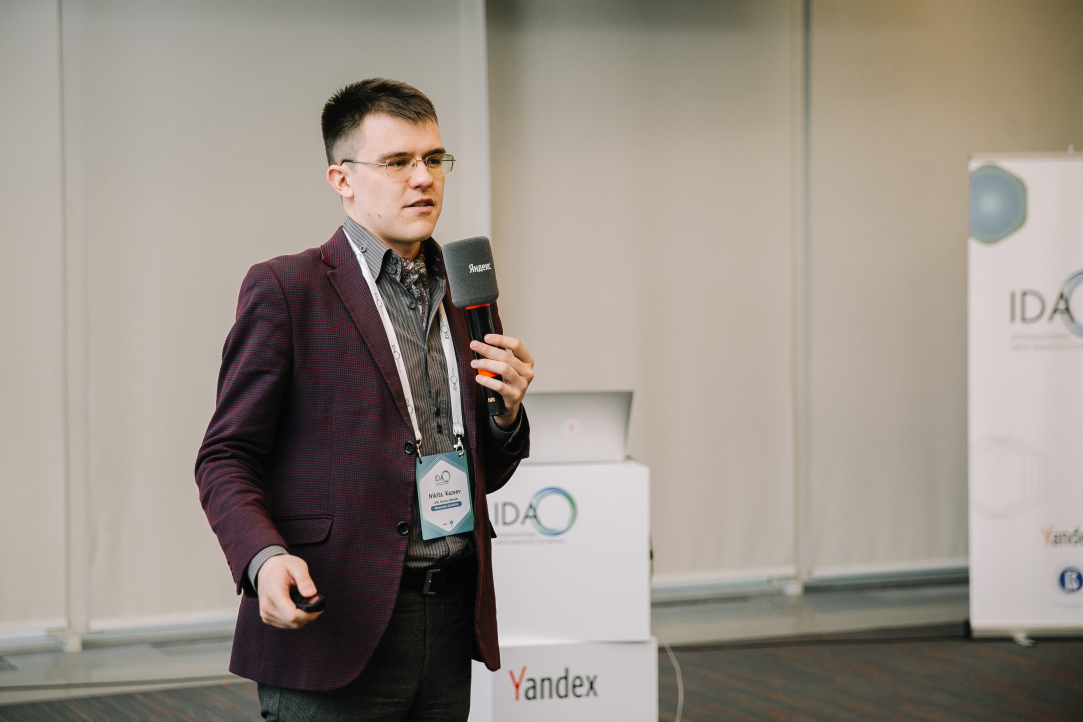
Nikita Kazeev
Nikita Kazeev holds a Candidate of Sciences degree (Russian equivalent of a PhD) in Computer Science and a PhD in Physics. He is a Research Fellow at the LAMBDA Laboratory and works at CERN. In an interview with HSE News Service, he talked about what it was like to defend his dissertation in a double doctoral degree programme at HSE University and Sapienza University of Rome, what it is like to conduct research in Geneva, and why it is imperative to communicate with colleagues.

HSE Researcher Appointed Coordinator in Large Hadron Collider Experiment

HSE Researcher Appointed Coordinator in Large Hadron Collider Experiment
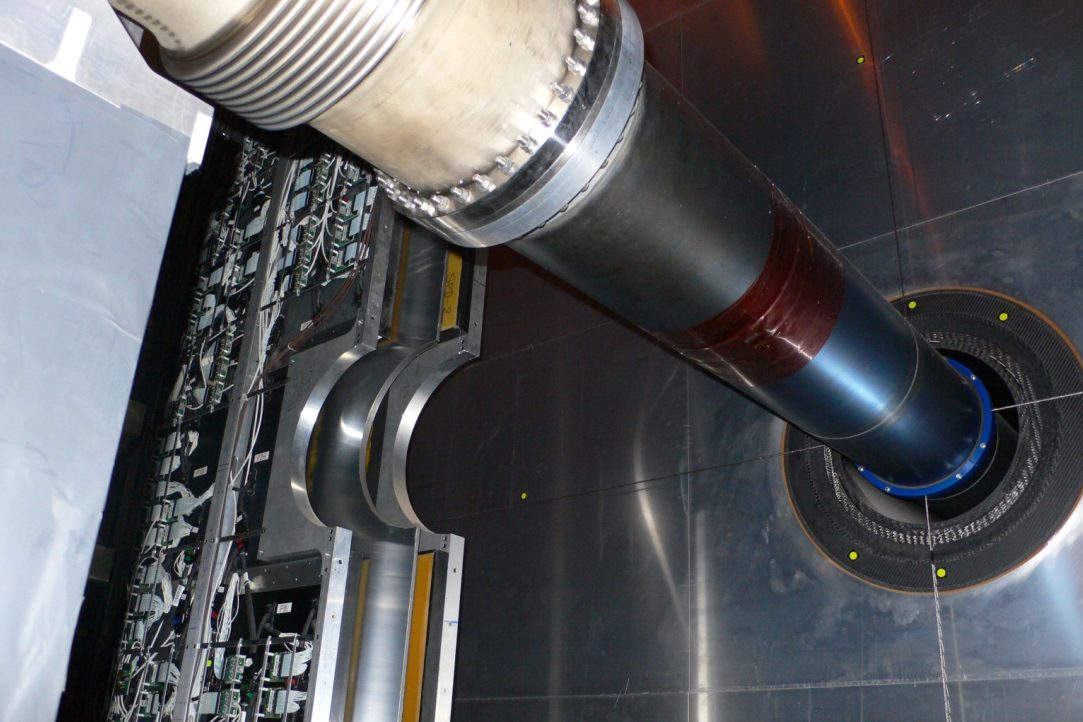
Mikhail Guschin, Research Fellow at the HSE University Laboratory of Methods for Big Data Analysis of the Faculty of Computer Science, was appointed coordinator of the machine learning and statistics working group in the LHCb Large Hadron Collider experiment at CERN (the European Organization for Nuclear Research). He will be the only representative of a Russian University among the coordinators for the experiment’s working groups.